
When Is the Best Time to Aerate Your Yard? A Georgia Homeowner’s Guide
If you are a Georgia homeowner standing in your yard wondering whether it is time to aerate, the short answer is: it depends on what kind of grass is under your feet. Timing the wrong month can set your lawn back instead of helping it. Timing the right month turns an average lawn into the best-looking one on the street. This guide walks through exactly when to aerate a Georgia yard, what aeration does, and what to pair it with so the effort is not wasted.
Across Atlanta, Loganville, McDonough, Suwanee, Lawrenceville, and the rest of metro Georgia, the same principles apply: aerate when the grass is actively growing, avoid aerating into dormancy, and never aerate right after a pre-emergent without knowing what you are doing. Here is the breakdown.
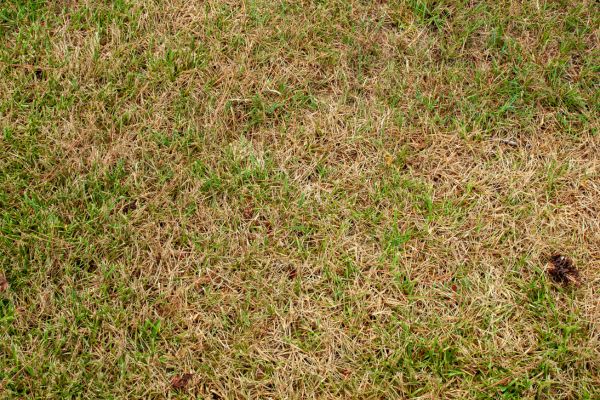
Compacted Georgia clay soil produces thin, yellowing patches that no amount of fertilizer can fix without aeration first.
The Short Answer by Grass Type
Georgia lawns fall into two families. Warm-season grasses — bermuda, zoysia, centipede, and St. Augustine — thrive in heat and go dormant in winter. Cool-season grass — tall fescue — thrives in spring and fall and struggles in summer heat. Aeration timing follows the active growth window of whichever family you have.
For warm-season lawns (bermuda, zoysia, centipede, St. Augustine), the best time to aerate is late spring through early summer — typically late April through July in metro Georgia. At this point, the grass is fully out of dormancy, actively growing, and will close the aeration holes quickly with healthy new tillers.
For fescue, the best time to aerate is early fall — mid-September through mid-October in metro Georgia. This pairs with overseeding and gives the cool-season grass the entire fall and spring to recover and root before summer heat stress returns.
Why Georgia Lawns Need Aeration Every Year
Georgia red clay is one of the most aeration-responsive soils in the country. It is also one of the most compact. Foot traffic, mowing, summer irrigation, and ordinary settling all squeeze the pore space out of clay soil within one to two growing seasons. Compacted soil blocks water infiltration, starves roots of oxygen, and caps the amount of fertilizer the lawn can actually use. You can double the fertilizer rate on a compacted lawn and get a single-digit percentage improvement because the roots cannot pull it down.
Core aeration pulls thousands of plugs of soil out of the ground in a single pass, leaving channels that water, air, and root growth can actually use. Paired with a full-season lawn care program, annual aeration is the single highest-leverage thing you can do for a Georgia yard after getting weed and feed timing right.
How Aeration Actually Works
A core aerator pulls plugs roughly one-half to three-quarters of an inch in diameter and two to three inches deep. The plugs are left on the lawn and break down over the following two to three weeks, returning organic matter to the surface. Two overlapping passes at 90 degrees produce dramatically better coverage than a single pass and are worth the small additional time. Our core aeration service runs two passes as the standard because a single-pass aeration on heavy Georgia clay leaves too much ground untouched.
What aeration does not do: it does not kill weeds, it does not replace fertilization, and it does not rescue a lawn that has a deeper problem like pH imbalance, disease pressure, or chronic drought stress. Aeration is a soil intervention, not a turf cure-all.
Signs Your Georgia Yard Needs Aeration Now
Four signals reliably point to compacted soil that is holding your lawn back. First, the lawn thins in high-traffic areas — near the driveway, along the mow line, and where the dog runs — even though the rest of the lawn looks reasonably healthy. Second, water pools or runs off instead of soaking in after an afternoon thunderstorm. Third, the soil is hard to push a screwdriver into when dry. Fourth, you are fertilizing on a reasonable schedule and the lawn still looks yellow and understrength. If two or more of those are true, aerate in the next appropriate window for your grass type.
What to Pair with Aeration for Maximum Effect
Three pairings produce the highest return when done alongside aeration. For fescue, overseed immediately after aeration in early fall. The holes you just opened are the best possible seedbed for new seed to make contact with bare soil. On warm-season lawns, apply a heavy nitrogen feeding within a week of aeration to drive the recovery tillering that fills the holes with new blades. For any lawn, follow aeration with deep watering rather than light, frequent watering. The goal is to push the water into the aeration channels and down to the new root zone.
If mosquito pressure is rising at the same time you aerate — common in spring and early summer — a start to our mosquito control program alongside aeration is a natural pairing because both involve us being on your property in the same window. Our full services list covers all the companion services typically scheduled around aeration season.
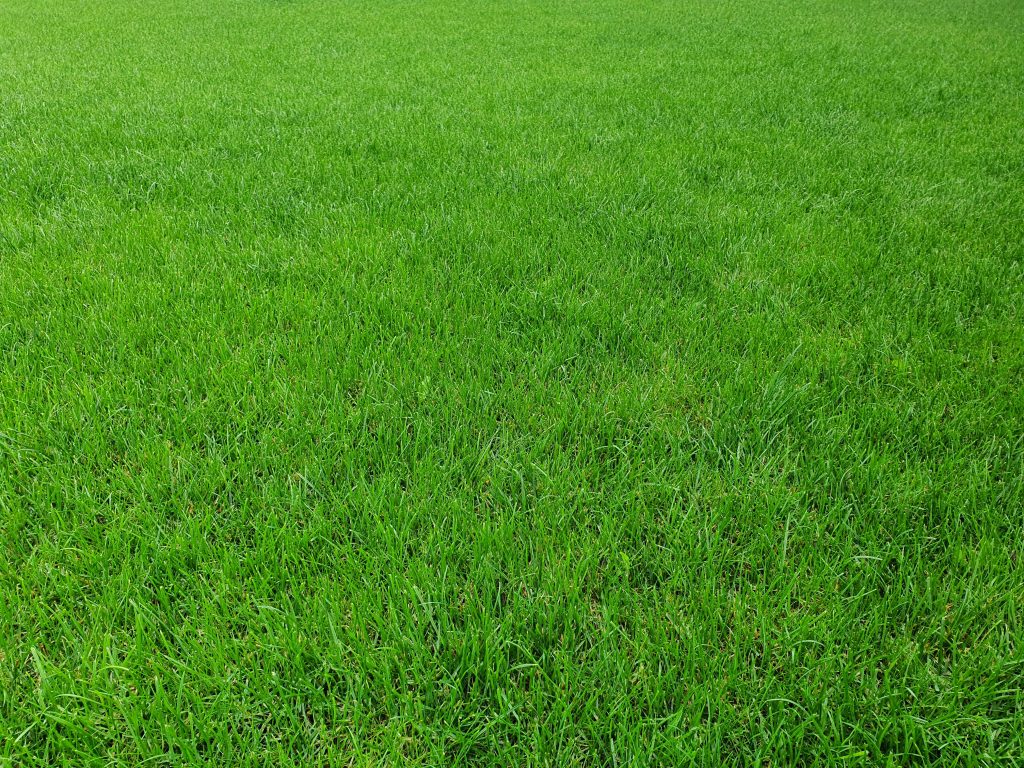
A Georgia lawn three to four weeks after core aeration: thicker canopy, better color, and measurably stronger drought resistance.
What to Avoid: Common Aeration Mistakes
Aerating during dormancy is the biggest mistake. A bermuda lawn aerated in February cannot heal because it is not growing. A fescue lawn aerated in July is stressed by the heat on top of the physical disruption and often thins rather than improves. Aerating right after a pre-emergent breaks the herbicide barrier and lets crabgrass through — if you have applied a pre-emergent, call the applicator before scheduling aeration to confirm timing. And aerating on bone-dry soil produces short, shallow plugs. Water the lawn well 24 to 48 hours before aeration so the aerator tines penetrate fully.
Frequently Asked Questions
Can I aerate my Georgia yard in spring?
Yes, if it is a warm-season lawn (bermuda, zoysia, centipede, St. Augustine), late spring through early summer is the primary aeration window. Fescue should wait until fall.
Should I aerate bermuda in fall?
No. Fall aeration pushes bermuda into dormancy without giving it time to recover. Aerate bermuda in late spring or early summer when it is actively growing.
How often should I aerate my Georgia lawn?
Once a year is the standard recommendation for most Georgia yards on clay soil. Higher-traffic lawns or particularly heavy clay can benefit from twice-yearly aeration every other year.
Do I need to water after aeration?
Yes, water deeply for the first two weeks to push water into the aeration channels and promote deep root recovery. Light frequent watering wastes the benefit.
Should I bag the plugs or leave them?
Leave them. The plugs break down into the soil within two to three weeks and return organic matter and microbes back to the surface. Bagging removes the benefit and creates unnecessary yard waste.
Ready to Aerate Your Georgia Lawn?
If your yard is showing the signs of compaction, the right window for aeration is probably closer than you think. All Turf Lawn Care runs professional core aeration and coordinates it with your full-season program so the timing is exactly right. Request an aeration quote, or explore more lawn care guides for seasonal timing tips across the Georgia calendar.